
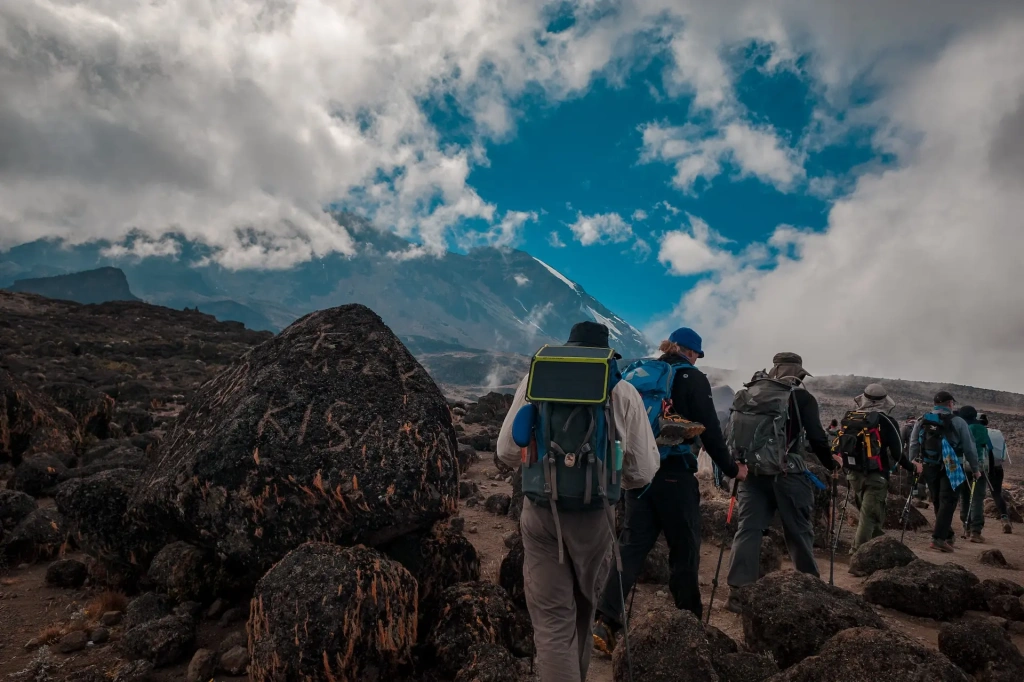
(8 Days Hiking + 2 Days Arrival & Departure)
The Lemosho Route is considered the most scenic and less crowded path to the summit of Mount Kilimanjaro. With a high success rate due to its excellent acclimatization profile, this 10-day itinerary allows you to truly immerse yourself in the mountain’s beauty while maximizing your summit chances.
You’ll be met at Kilimanjaro International Airport and transferred to your hotel. Enjoy a pre-climb briefing and equipment check with your mountain guide. Dinner and overnight stay.
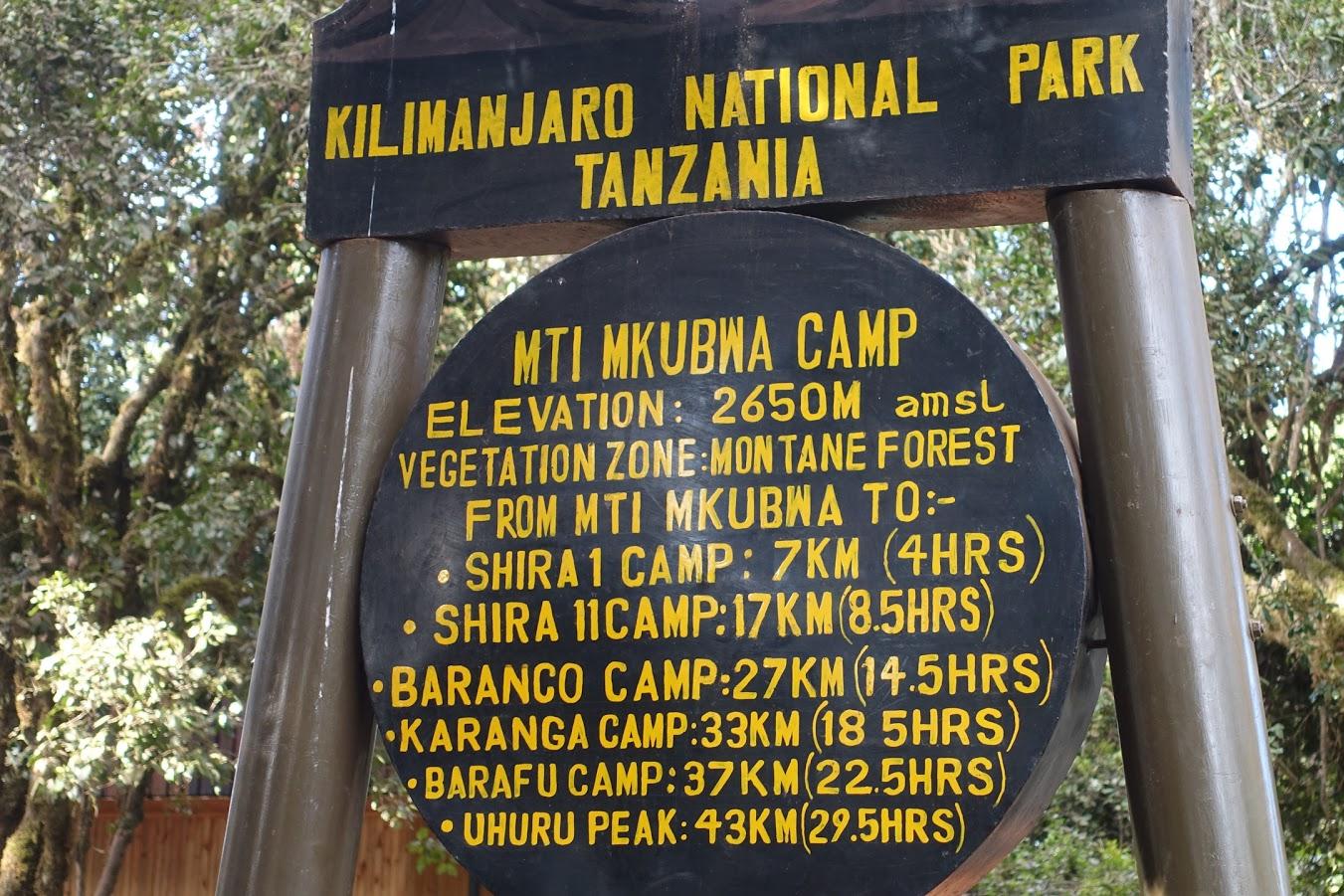
Drive from Arusha/Moshi to Londorossi Gate for registration. Begin your hike through lush rainforest to Mti Mkubwa Camp.
Elevation gain: 2100m to 2650m
Hiking time: 3 to 4 hours
Leave the forest and climb through the heather zone to the Shira Plateau. Camp at Shira 1 with wide views of the mountain.
Elevation: 2650m to 3610m
Hiking time: 5 to 6 hours
A gentle walk across the plateau to Shira 2. This is a great day for acclimatization.
Elevation: 3610m to 3850m
Hiking time: 4 to 5 hours
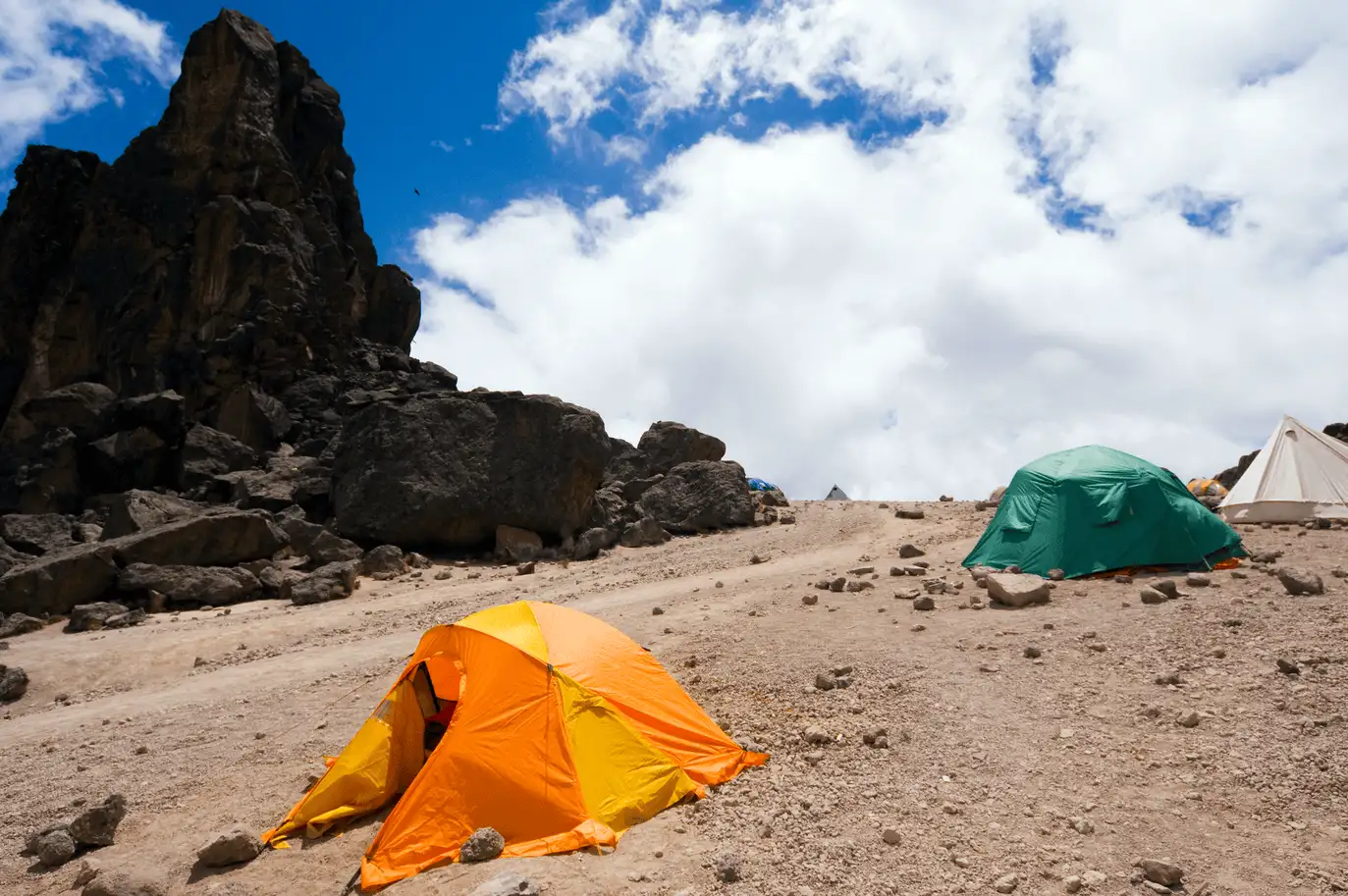
Ascend to the Lava Tower for acclimatization before descending to the scenic Barranco Valley.
Elevation: 3850m to 4600m (Lava Tower) down to 3900m
Hiking time: 6 to 7 hours
Climb the Barranco Wall, then continue through valleys and ridges to Karanga Camp.
Elevation: 3900m to 3995m
Hiking time: 4 to 5 hours
A short climb to Barafu Camp where you’ll rest and prepare for the summit push.
Elevation: 3995m to 4673m
Hiking time: 3 to 4 hours
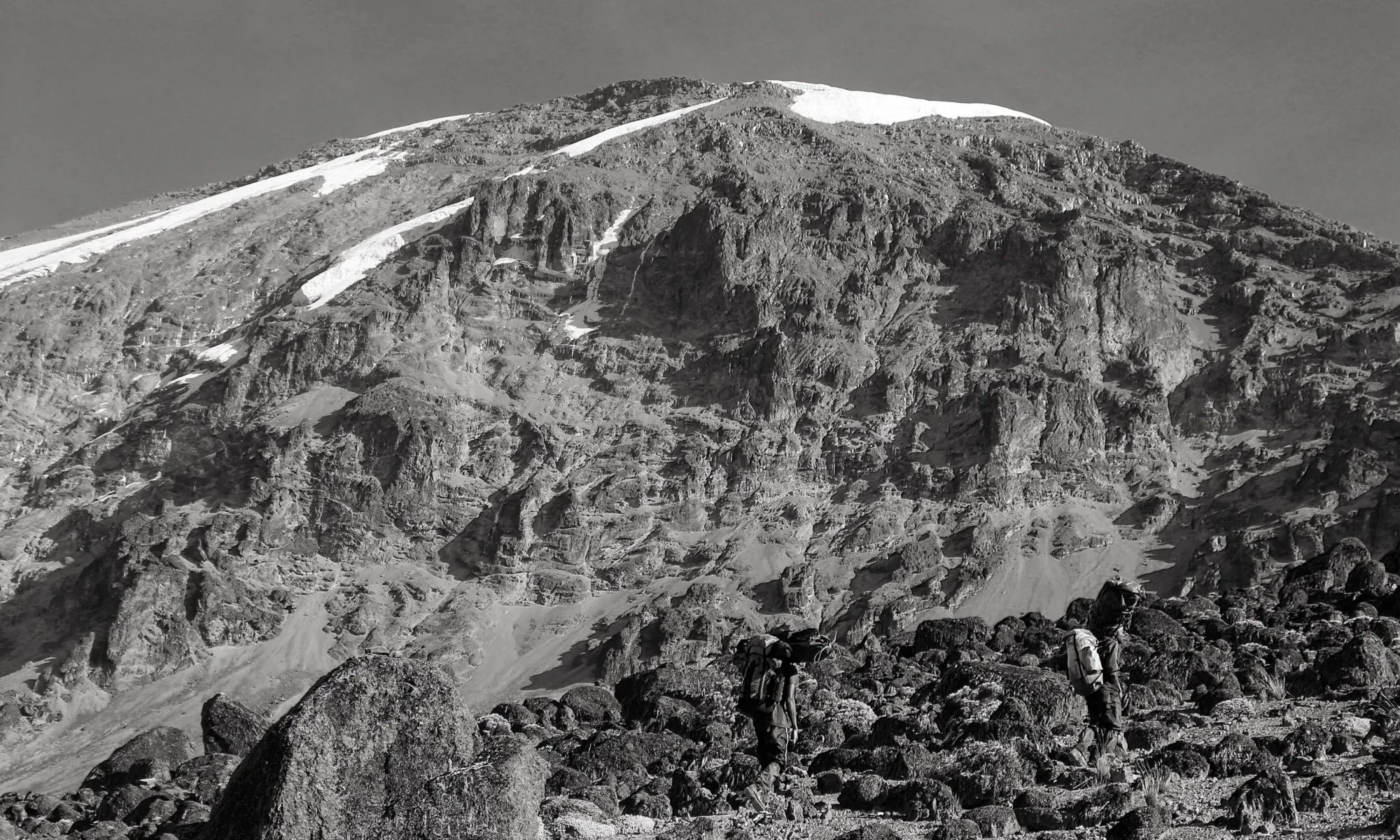
Begin your ascent around midnight, reaching Uhuru Peak at sunrise. After celebrating at the summit, descend to Mweka Camp for overnight rest.
Elevation: 4673m to 5895m (Uhuru Peak), down to 3100m
Hiking time: 12 to 15 hours
Descend through the rainforest to the gate, where you’ll receive your summit certificate and be transferred to your hotel.
Hiking time: 3 to 4 hours
Relax at your lodge or extend your trip with a safari or beach escape in Zanzibar. Airport transfers included.
What’s Included
- All airport transfers (arrival and departure)
- Two nights accommodation at a hotel/lodge (before and after the climb)
- All park entry, camping, and rescue fees
- Professional English-speaking mountain guides, cooks, and porters
- All meals during the climb (breakfast, lunch, dinner)
- Private tent for each client (spacious and weatherproof)
- Dining tent with tables and chairs
- Sleeping mattress
- Safe, filtered drinking water throughout the hike
- Pulse oximeter and daily health monitoring
- Emergency oxygen and evacuation procedures
- Transfers to and from the mountain gate
- Fair wages for mountain crew as per KPAP standards
- Hot water for washing every day
- Certificate of achievement for successful climbers
What’s Not Included
- International and domestic flights
- Tanzania visa fees
- Travel insurance (highly recommended)
- Climbing gear (clothing, sleeping bags, poles – available for rent)
- Personal expenses such as laundry, beverages, souvenirs
- Tips and gratuities for the mountain crew
- Optional add-ons such as city tours, wildlife safaris, or Zanzibar extension
- Extra nights at the hotel due to early descent or late departure
- Medical or evacuation costs beyond mountain coverage
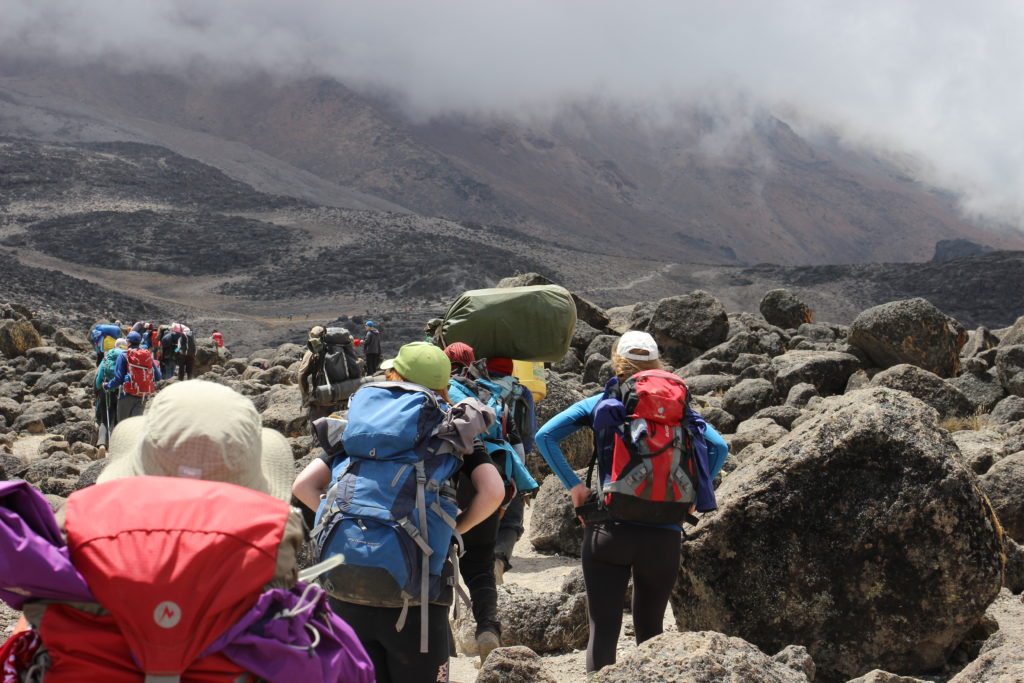
Climbing Kilimanjaro is a non-technical trek, meaning no ropes or climbing gear are required. However, it is physically demanding due to the high altitude. Good fitness, determination, and proper acclimatization are key to success.
The Lemosho and Machame routes are the most scenic and offer good acclimatization profiles. Lemosho is less crowded, while Marangu is the only route with hut accommodations. We help choose the best route based on your fitness level, time, and preferences.
The best climbing seasons are January to March and June to October, during Tanzania’s dry periods. These months offer clear skies, great views, and lower rainfall.
No technical climbing experience is needed. Kilimanjaro is a trek, not a technical climb. However, previous hiking experience and being physically fit will help greatly.
You’ll stay in a hotel/lodge before and after the climb. On the mountain, accommodation is in high-quality tents. On the Marangu route, trekkers sleep in shared mountain huts.
You’ll need layered clothing for cold and warm weather, a sleeping bag, hiking boots, walking poles, and other essentials. We provide a full packing list and rental options for key gear.
Yes, due to the elevation. We design our itineraries with proper acclimatization, and our guides monitor your health daily using pulse oximeters. We carry oxygen and have an emergency evacuation plan in place.
Our mountain chefs prepare three nutritious meals daily, with plenty of fluids to help with hydration and energy. We can cater to dietary restrictions with advance notice.
Yes, we strongly recommend insurance that covers high-altitude trekking and emergency evacuation.
Tipping is customary on Kilimanjaro. Guidelines suggest around $250–$300 per climber for the entire trek, which is shared among guides, cooks, and porters. We provide detailed tipping recommendations.
