
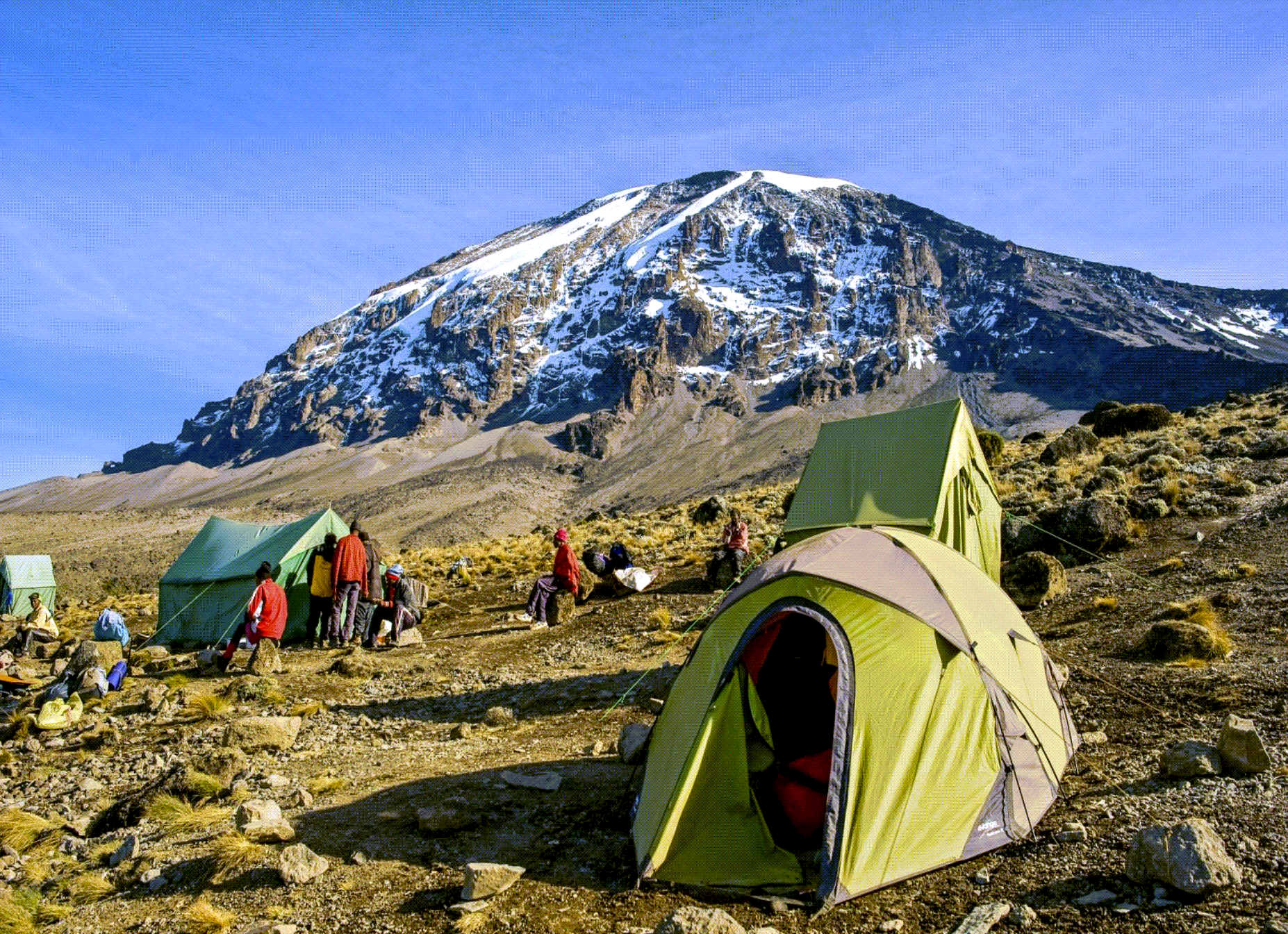
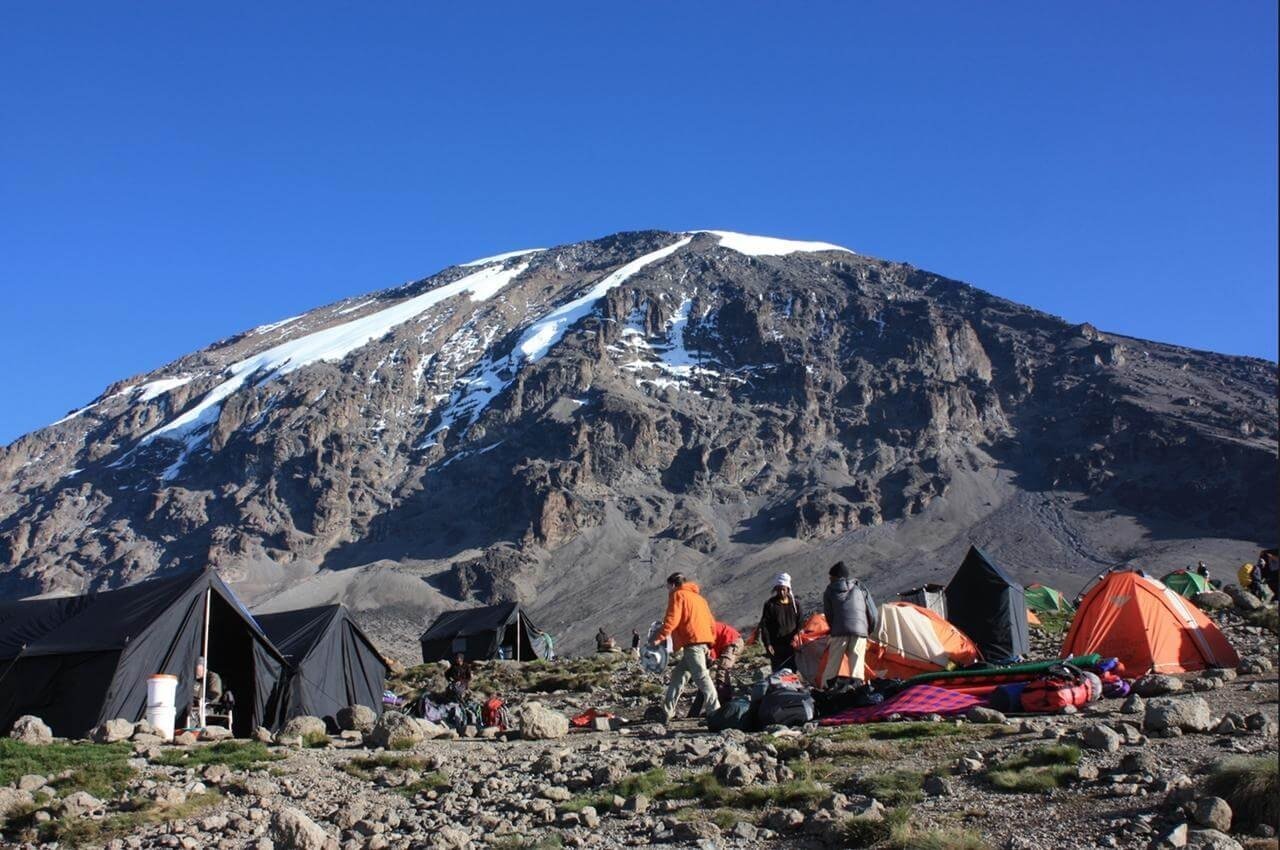
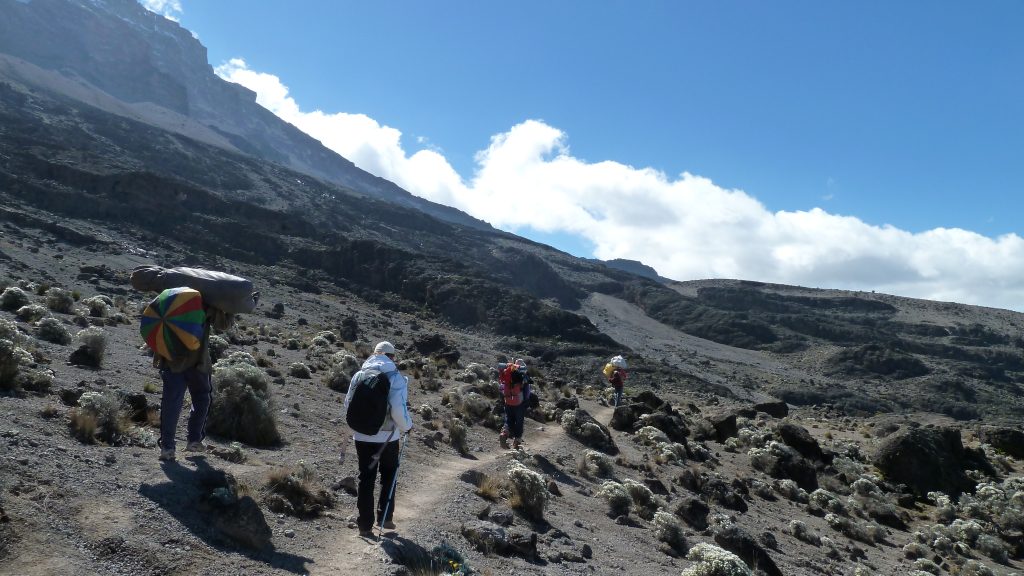
The Machame Route, often referred to as the “Whiskey Route,” is one of the most popular and scenic paths to the summit of Mount Kilimanjaro. Known for its stunning views, diverse landscapes, and excellent acclimatization profile, this route offers a rewarding challenge for adventurers seeking to stand atop Africa’s highest peak – Uhuru Peak (5,895 meters).
Upon your arrival at Kilimanjaro International Airport, you'll be transferred to your hotel in Moshi or Arusha. Here, you will meet your mountain guide for a full briefing about the trek ahead. Equipment will be checked to ensure you are fully prepared. You’ll also have time to rest, acclimatize slightly, and enjoy a peaceful night before the adventure begins.
After breakfast, you will drive to the Machame Gate, the starting point of your trek. Once the registration formalities are completed, the climb begins through the lush rainforest. The trail is well-maintained, and you’ll walk under a thick canopy of ancient trees draped with moss. You may spot monkeys and colorful birds along the way. After 5 to 7 hours of hiking, you will arrive at Machame Camp where you’ll rest and sleep for the night.
The day begins with a steeper climb as you leave the rainforest behind and enter the moorland zone. The landscape opens up, offering stunning views of the mountain and surrounding valleys. The trail is rocky, with giant heathers and volcanic rock formations. After about 4 to 6 hours, you’ll arrive at Shira Camp, located on a high plateau. This is a great place to witness Kilimanjaro’s majestic peak as the sun sets.
Today is crucial for acclimatization. You will ascend to Lava Tower, a volcanic formation at 4,630 meters, where you’ll stop for lunch. Although this section is challenging, it helps your body adjust to the altitude. After resting, you descend to Barranco Camp, known for its dramatic cliffs and views. The descent helps your body acclimatize, and this "climb high, sleep low" strategy improves your chances of a successful summit. Expect about 6 to 8 hours of hiking today.
The day starts with the Barranco Wall, an exhilarating scramble up a steep ridge. Though it looks intimidating, it's a fun and achievable climb with help from your guides. Once at the top, you’ll enjoy amazing panoramic views. The trail then undulates through alpine desert terrain before arriving at Karanga Camp after 4 to 5 hours of trekking. This is a shorter day meant to give your body more time to adjust.
After breakfast, the trail ascends steadily through barren, windswept terrain to Barafu Camp, the final base before the summit. You’ll arrive by mid-afternoon and rest early, as the summit push begins before midnight. From Barafu, you can see both the Mawenzi and Kibo peaks. A hot meal will be served, and you’ll prepare for the most important night of the climb.
Summit night begins around midnight. You’ll hike in the dark under a sky full of stars, making your way slowly but steadily up the switchbacks toward Stella Point (5,756m). After a brief rest, you’ll continue to Uhuru Peak, the highest point in Africa at 5,895 meters. As the sun rises behind you, the views from the top are nothing short of breathtaking—a moment you'll never forget. After photos and celebration, you descend back to Barafu Camp for brunch and rest. Then you’ll continue your descent to Mweka Camp for your final night on the mountain. Total trekking time today is 12 to 15 hours.
After a good night’s rest, you'll enjoy a final breakfast on the mountain before continuing your descent through the rainforest. The trail can be slippery, so trekking poles are useful. After 3 to 4 hours, you’ll reach Mweka Gate, where you'll sign out and receive your summit certificates. Your driver will be waiting to take you back to your hotel, where a hot shower, a hearty meal, and well-earned rest await.
Included in the Trekking Package
- Professional Mountain Guides and Porters:
- Licensed, English-speaking guides, assistant guides, and porters with high altitude experience and first aid training.
- Park Fees and Permits:
- Kilimanjaro National Park entrance fees, camping fees, and rescue fees.
- Accommodation on the Mountain:
- Camping gear (tents, sleeping mats, mess tents, tables, and chairs) for routes that require camping; or mountain huts for Marangu route.
- Hotel Accommodation Before and After Trek:
- 2 nights in a hotel/lodge in Moshi or Arusha – one night before the trek and one night after, with breakfast included.
- All Meals on the Mountain:
- Breakfast, lunch, and dinner prepared by a mountain chef; including hot drinks and snacks.
- Drinking Water:
- Filtered and treated water provided throughout the climb.
- Transportation:
- Private transfers to and from the Kilimanjaro park gates.
- Safety Equipment:
- First aid kit, emergency oxygen cylinder, and pulse oximeter for daily health checks.
- Luggage Carrying by Porters:
- Porters carry up to 15 kg of your gear; only a daypack is needed during hiking.
- Summit Certificate:
- Official Kilimanjaro certificate upon reaching Uhuru Peak (or Stella Point).
Not Included in the Trekking Package
- International and Domestic Flights
- Flights to and from Tanzania are not included.
- Tanzania Visa Fees
- Entry visa costs (usually $50–100 depending on nationality).
- Travel Insurance
- Mandatory travel insurance that covers high-altitude trekking and emergency evacuation.
- Tips for Guides and Porters
- Gratuities are customary and expected – usually around $250–350 per trekker for the whole team.
- Personal Hiking Gear
- Items like sleeping bags, trekking poles, hiking boots, headlamps, and clothing are not included (rentals are available on request).
- Additional Hotel Nights
- Extra accommodation beyond the included nights, due to early descent or extended stays.
- Alcoholic Beverages and Soft Drinks
- Not provided on the mountain or in hotels unless otherwise arranged.
- Meals in Moshi/Arusha (except breakfast at the hotel)
- Lunches and dinners before and after the trek in town are on your own.
- Optional Tours or Excursions
- Activities like safaris or cultural tours before/after the trek.
The Machame Route is considered moderately difficult. It’s more physically demanding than the Marangu Route, with steeper ascents and descents. However, the 7-day itinerary offers better acclimatization, increasing your chances of reaching the summit.
No. Kilimanjaro is a non-technical trek. No ropes, harnesses, or climbing equipment are required. However, good physical fitness, mental determination, and proper acclimatization are essential.
The best trekking seasons are during the dry months:
- January to early March
- June to October
These periods offer clearer skies, better trail conditions, and higher summit success rates.
The summit success rate for the 7-day Machame Route is around 85–90%, thanks to the extra day for acclimatization.
You’ll sleep in quality mountain tents provided and set up by the crew. In Moshi or Arusha (before and after the climb), you’ll stay in a comfortable hotel or lodge.
All meals on the mountain are included—breakfast, lunch, dinner, and snacks. Meals are prepared fresh by a mountain chef and cater to most dietary needs (vegetarian, vegan, gluten-free, etc.).
Temperatures vary by elevation. It can be warm (15–25°C) in the rainforest zone and drop to -10°C to -20°C near the summit. Proper layering and cold-weather gear are essential.
You’ll need personal trekking gear like:
- Hiking boots
- Sleeping bag (rated for -10°C or lower)
- Warm clothing (base layers, fleece, down jacket, etc.)
- Headlamp, trekking poles, backpack, etc.
Rental gear is available upon request.
Yes. Altitude sickness can affect anyone. Our itinerary includes gradual ascent and acclimatization days. Daily health checks and trained guides help monitor and manage symptoms. Emergency oxygen and evacuation plans are also in place.
Public toilets are available at camps, though basic. Portable private toilets can be arranged. There are no showers, but warm water for washing is provided daily.
